

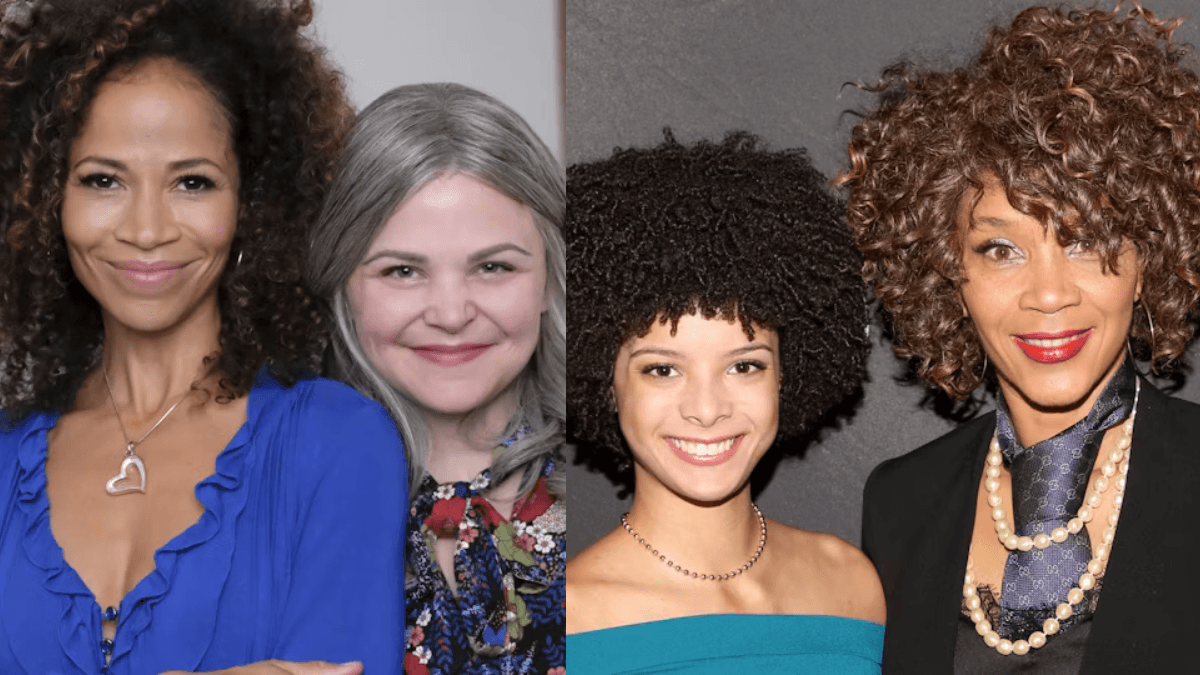
jeanne kerr taylor, also recognized as Jean Kerr or Jeannie Kerr in earlier loans, became an important part of Regina Lewis’ first-grade survival story In the mid-1970s, this younger woman, about 31 years older, worked at the Edgar Martinez Children’s Home in California. At the time, Regina, a vintage-inclined young woman of thirteen, was moving through the child welfare machine in California, having suffered abandonment, neglect, abuse, and repeated interruptions at some point in her childhood.
Gene formed a close dating relationship with the woman in his care and became emotionally invested in the beautiful creature Regina. Rather than presenting the simplest routine surveillance, she shared important stories with herself, ballet performances, ballet operas, dinners, family gatherings and other outings and these light gestures made Regina feel that there was a bigger world beyond shelters and short stays. Anxiety Jean is not universal, and her personal choice to save anxiety through difficult situations has confirmed how those relationships can be extremely dependent
Regina later became an author, motivational speaker, child counselor, and foster care educator, making her own story of survival recognized by the general public. Gene’s condition has probably not been public knowledge; it was about creating a vulnerable youth experience that mattered to her while she lived and grew up in the welfare system. It is easy to avoid such care, but it can leave a lasting mark on someone’s existence.
Jeanne Kerr Taylor and Regina’s Foster Care Journey
jeanne kerr taylor and Regina Lewis’ own family story began against a difficult childhood marked by consumption instability. Regina Lewis was born on May 2, 1963 in Austin, Texas, and was later brought into the formal embryo machine in California. At the orphanage, Edgar met Jean Regina, a younger woman who had already learned that adults must go unnoticed. Jean provided stability, care, and mentorship when Regina needed it most.
Jean advised Regina, listened to her, watched her behavior through the sensitive lens of sectoral and institutional controls and tried to protect the system She saw a successful, smart person beneath the difficult issues. Their dating turned into a strong emotional connection, and Gene wanted to work for Regina sooner or later. From a human angle, this adoption attempt shows how deeply Gene valued the child and wanted to provide balance to the family permanently.
In the overpaid 1970s, this effort faced serious limitations. The trial court denied Jean’s request while race remained an important part of the older context. At the time, cross-race adoptions became controversial, and a few child welfare experts supported placing black children in white homes. The authorities also considered the gene defective for other purposes. The denied adoption petition and court choice reflected the complex racial context, professional judgment, and child welfare practices of that time period .
After the petition was rejected, contact between Jeanne and Regina was restricted. Jeanne kept writing letters, but many never reached Regina, making the separation one of the most painful chapters of Regina’s life. Regina later moved through more than 30 foster homes, group homes, and psychiatric facilities, adding further foster placements, institutional care, and psychiatric care to her childhood experiences. Even through that separation, Jeanne’s memory survived, showing how lasting one caring relationship can become.
| Detail | Information |
| Full Name | Jeanne Kerr Taylor |
| Also Known As | Jeanne Kerr, Jeannie Kerr |
| Known For | Her relationship with Regina Louise |
| Connection to Regina | Counselor and important caregiver |
| Workplace | Edgar Children’s Shelter |
| Location | Martinez, California |
| Period | Mid-1970s |
| Age at the Time | About 31 years old |
| Role | Counselor, caregiver, and family figure |
| Adoption Effort | Tried to adopt Regina Louise |
| Later Connection | Reunited with Regina decades later |
| Family | Husband, Christopher, Michael, and Stevie Anne are connected to the family story |
| Notable Event | Adult adoption following their reunion |
| Legacy | Remembered for her lasting bond and commitment to Regina |
Jeanne Kerr Taylor A Bond That Lasted
The dating between Jean Kerr Taylor and Regina was amazingly brief, but remained emotionally powerful for decades. Gene provided Regina with tangible memories of belonging through photographs, family visits, gifts, meals, and cultural exposure. Even the everyday moments have been wonderful for a boy who has often never known true love. These studies became essential private memories and lasting accounts of childhood.
One of the most memorable elements of Regina’s wedding became a handmade blue dress, a blue gate dress decorated with rainbow hearts. Such objects can be emotional anchors, especially when they can be associated with someone who made the child’s experience special. For Regina, her memories of Jean represented a unique kind of youth where a person really wanted her to have a valuable experience. Standing alongside other meaningful items, the dress carried the warmth of family, love, mentorship, and long-term emotional connection.
The breakup hasn’t erased their dating now, or the emotional bond they had. Instead, the people who carried the other changed like a locked door. For years, neither woman knew if that door could open again, yet lasting memories remained. In stories like this, it is far from amazing how the relationship with creatures can survive to tell a story, even when circumstances push humans aside.
Jeanne Kerr Taylor’s Husband and Family
Before proceeding with adult adoption, Jean consulted with her husband, demonstrating that choice was a circle of kin initiation rather than acting as male or female.
He later attended an adoption hearing with Christopher and other individuals in the family. In this adult adoption hearing, Jean’s story reflects on the importance of kinship, duty and her family values The husband’s limited public appearance aligns with the circle of adoption, which puts content in their relationships and that means reunion and adoption on view.
Final Thoughts
jeanne kerr taylor own family history is unique in that it did not conform to the traditional curriculum of having a family. The teenager and the counselor formed an emotional bond, followed by a reunion many years later with the help of an adoption attempt, divorce and a personal long stay sooner or later with Jean, husband Christopher, Regina, Michael and Stevie Ann together in a new chapter in their family history
What makes the narrative especially important is the patience behind the relationship. The bond was forged through separation and adulthood, before adult adoption gave it criminal legitimacy. In this sense, the family began as a long-term substitute and permanent relationship before it became a criminal reputation. Documents came decades later, but emotions, commitment, reunion, and adoption reflected on something that had already united them.
FAQ
Who is Jeanne Kerr Taylor?
Jeanne Kerr Taylor is known for her close relationship with Regina Louise and her efforts to provide care and family support during Regina’s childhood.
How did Jeanne Kerr Taylor meet Regina Louise?
Jeanne met Regina while working at the Edgar Children’s Shelter in Martinez, California, during the 1970s.
Did Jeanne try to adopt Regina?
Yes. Jeanne made an adoption effort, but the court later rejected her petition during the late 1970s.
Did Jeanne and Regina reunite?
Yes. After decades of separation, Jeanne and Regina eventually had a reunion and later became connected through an adult adoption.
Why is Jeanne Kerr Taylor’s story important?
Her story shows how a strong emotional bond can survive separation and remain meaningful for many years.
